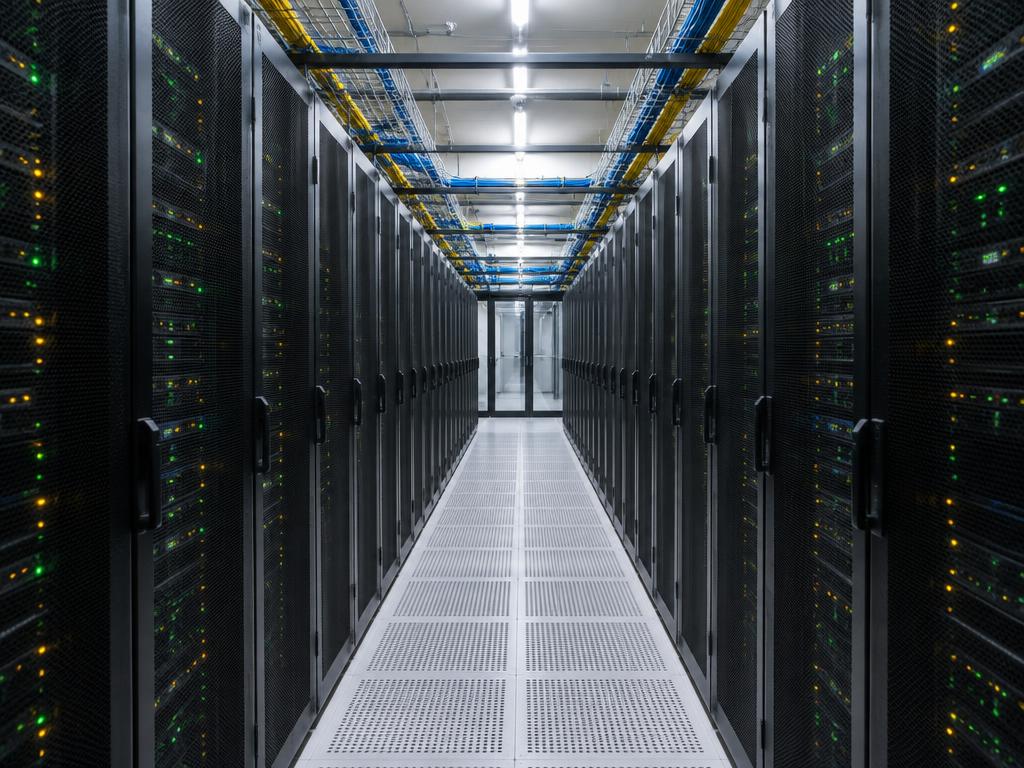
It runs itself
Nodes watch their own traffic and repair routing before anyone in the control room has to notice.

The internet is splitting
The first major upgrade to the internet in 30 years.
Privacy, not surveillance. G70 CogNet upgrades the internet with AI-driven defense and 14 protection layers to help secure the devices, people and everyday systems of a working city.
The biggest opportunity of a lifetime
For the past 40 years, the internet has built every economy on earth. It is so integral to how we work, trade, travel and heal that it has pushed our standard of living far beyond anything even hoped for in the past 5,000 years.
But that same dependence has made us so vulnerable. The internet is splitting into a total surveillance, totally exposed internet — and the G70 CogNet, quantum secured, completely private internet.
This is the defining threat of our generation.
40
years the internet built every economy on earth
5,000
years of living standards it left behind
14
layers now built inside the internet itself
Surveillance cities
Secure cities
Publicly reachable devices and poorly secured services can be discovered, mapped and attacked. A connected device should not be an open invitation.
Adversaries can use AI to automate reconnaissance and scale attacks far faster than manual work. Protection has to keep pace without giving up human oversight.
G70 CogNet’s goal is to reduce device exposure, protect communications and keep essential city systems separated — with defense in depth rather than a single barrier.
Between two routers there is nothing — traffic crosses the open pipe, visible and exposed. G70 CogNet builds fourteen new layers into that space, so the network itself protects what it carries.
A pipe between two routers. Whoever can see the pipe can read what moves through it.
The same pipe, rebuilt: AI, governance, quantum-safe transport and ten more layers working between the routers.
Not a chatbot bolted on. The network watches itself, moves capacity on its own, and answers questions about what it is carrying.
Nodes watch their own traffic and repair routing before anyone in the control room has to notice.
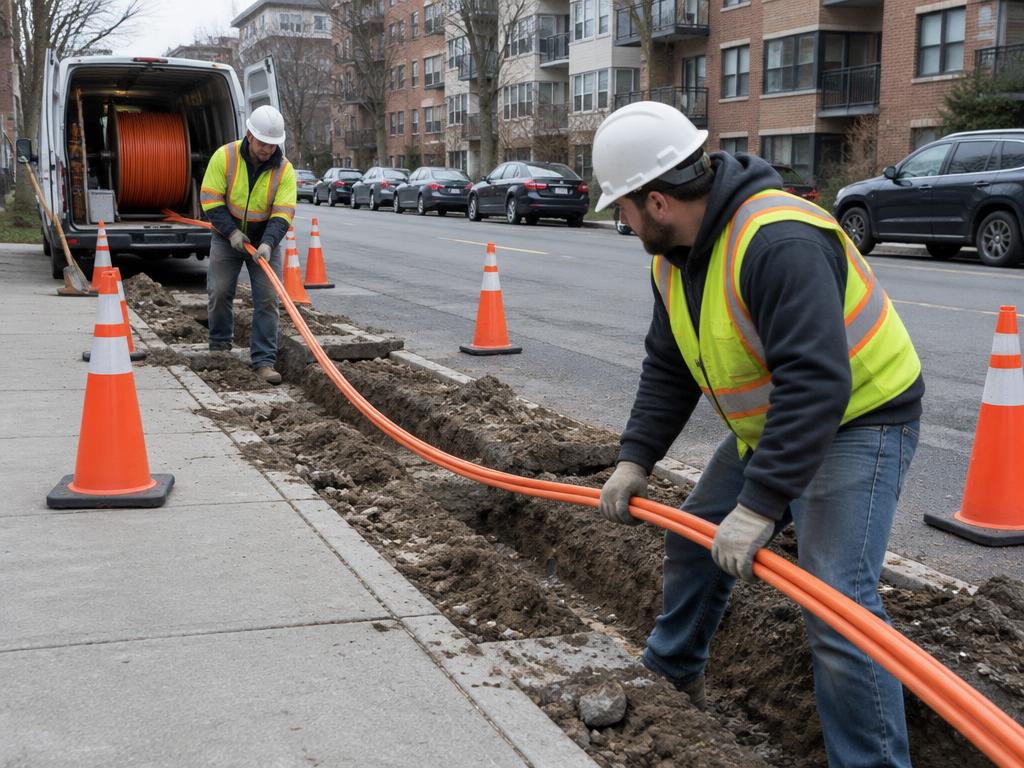
Bandwidth shifts toward the blocks that are about to need it — a stadium emptying, a shift change, a storm.
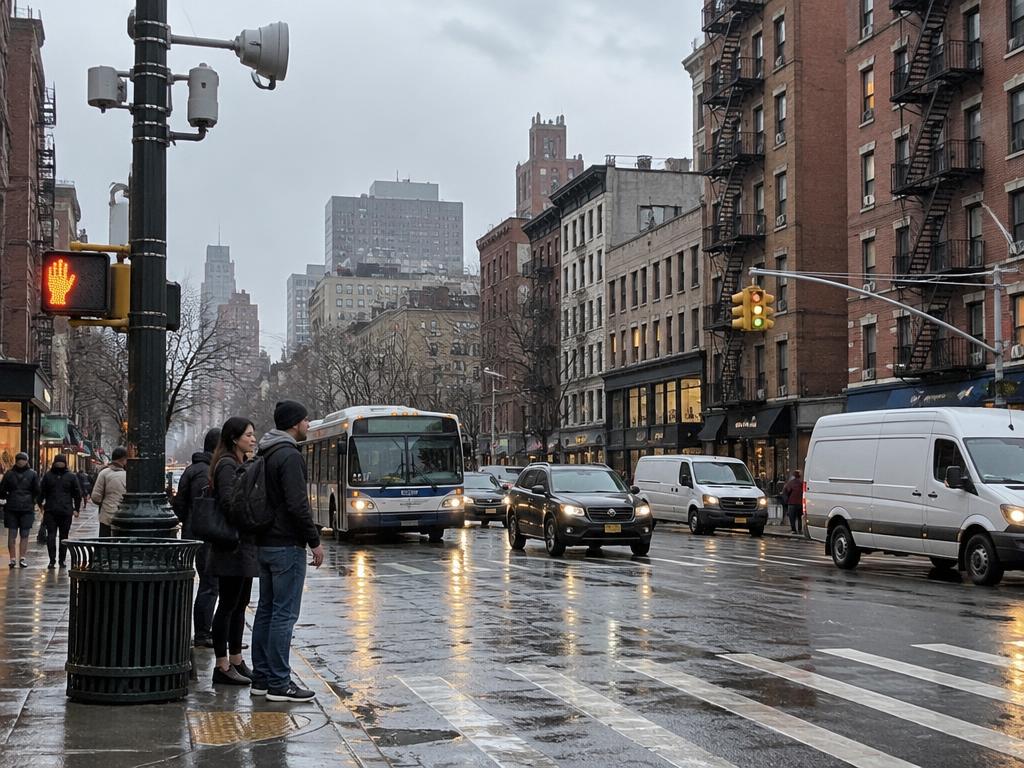
Ask the network a question and get the figure back, instead of a dashboard you have to read yourself.
Modular, future-proof and running everywhere — each layer has its own job, so there is no single place to attack.
Layer 01
Hover a layer to see it light up
Defence in depth: every plate is a separate mechanism with its own failure mode. Getting through the stack means getting through all fourteen, not just the strongest one.
Purpose-built models that run the network — watching traffic, predicting load and spotting attack patterns.
Checks that keep the models honest, so an answer can be traced back to what actually happened on the network.
Raw signals turned into meaning — a surge at a stadium reads differently than the same surge at a substation.
The rules of the road: who may change what, and how every decision is recorded and reviewed.
The operating procedures that keep the whole stack running, maintained and auditable day to day.
Everything the network learns is stored, indexed and reusable — so each incident makes the next response faster.
Data shared in small, permissioned pieces instead of open pools — useful to the city, invisible to everyone else.
Existing systems — transit, grid, water, clinics — plug in without being ripped out and replaced.
A tamper-evident record of what happened, built on cryptography that holds up against quantum attacks.
The toolkits cities and partners build on, so new services inherit the same protection by default.
The processing and storage fabric underneath it all, sized for city-scale workloads.
Traffic routed by intelligence, not habit — capacity moves to where it is needed before it is needed.
The encrypted transport layer every connection rides on, hardened against quantum decryption.
Where the network takes in the world — sensors, feeds and systems, collected with privacy at capture.
Four systems every city already runs. The difference is that the links between them can't be quietly read or replayed.
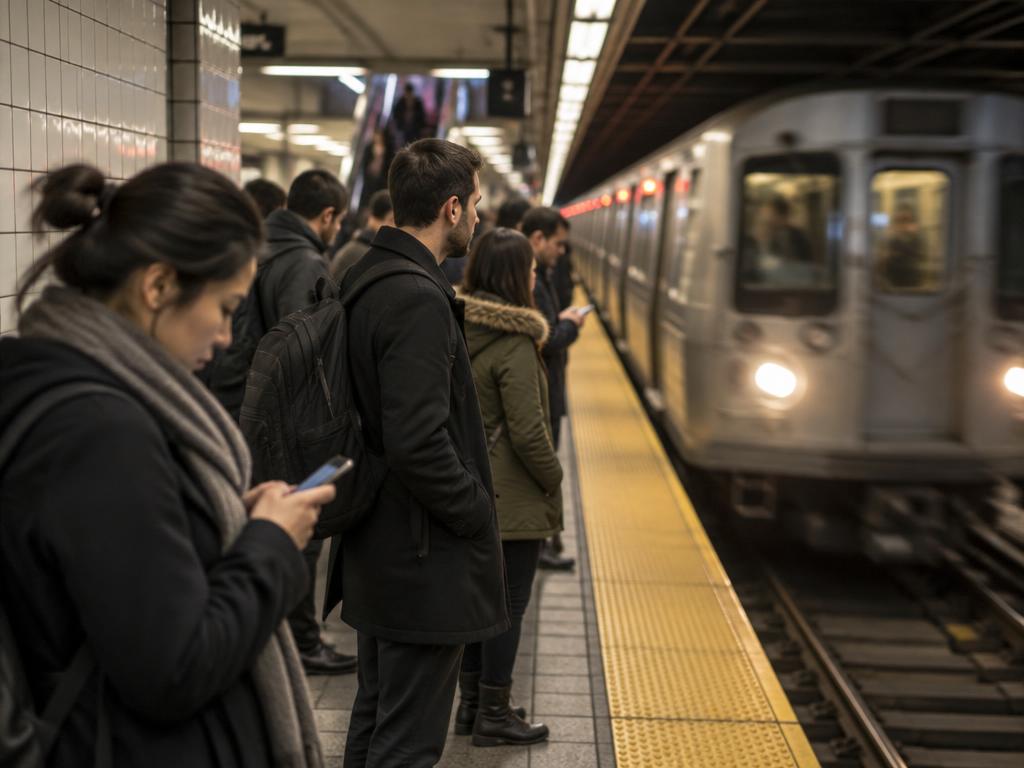
Buses and trains report position and load over encrypted links, so signals give them the green when they're running behind.
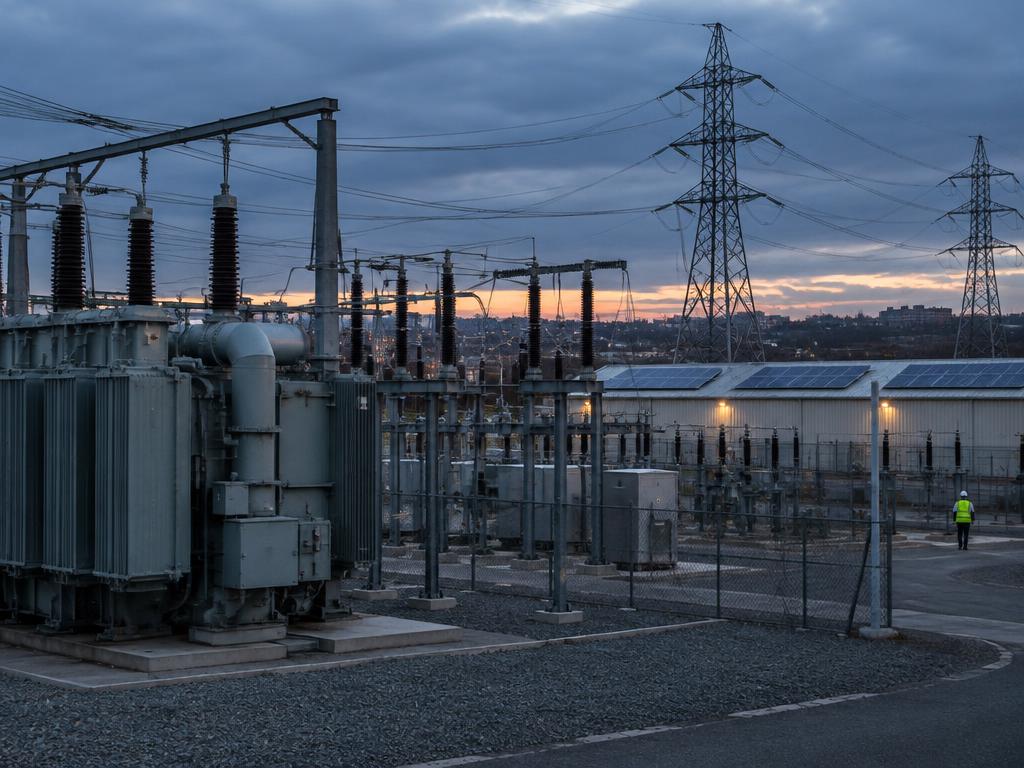
Rooftop solar, neighbourhood batteries and substations balance block by block instead of one citywide schedule.
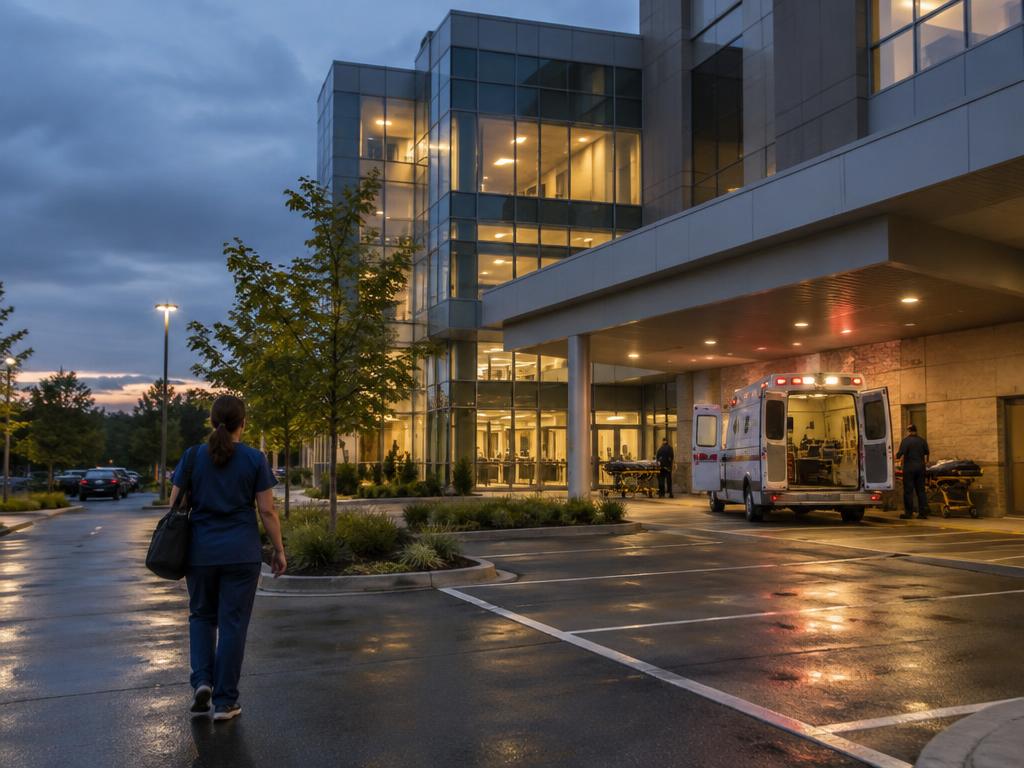
Patient records can be analysed without ever being decrypted, so research runs without a data leak risk.
Cameras and sensors at intersections feed the operations desk, with faces blurred at the source rather than on the way out.
Recorded today, read later
Encrypted traffic is stored now and decrypted when the machine to break it exists. Today's city data is tomorrow's readable record.
Hardware outlasts algorithms
A substation controller or signal cabinet runs for fifteen years. It has to be able to change its maths without being replaced.
Cities can't take an outage
Upgrades happen while the lights stay on: one maintenance window, no downtime, nothing taken out of service.
Tell us which system scares you most — the grid, the clinics, the tunnels — and we'll show you which of the 14 layers it lands on and what breaks if one is removed.